2025 AWARDS
Life Sciences Category
Academician Kung-Yee Liang
Academician Kung-Yee Liang
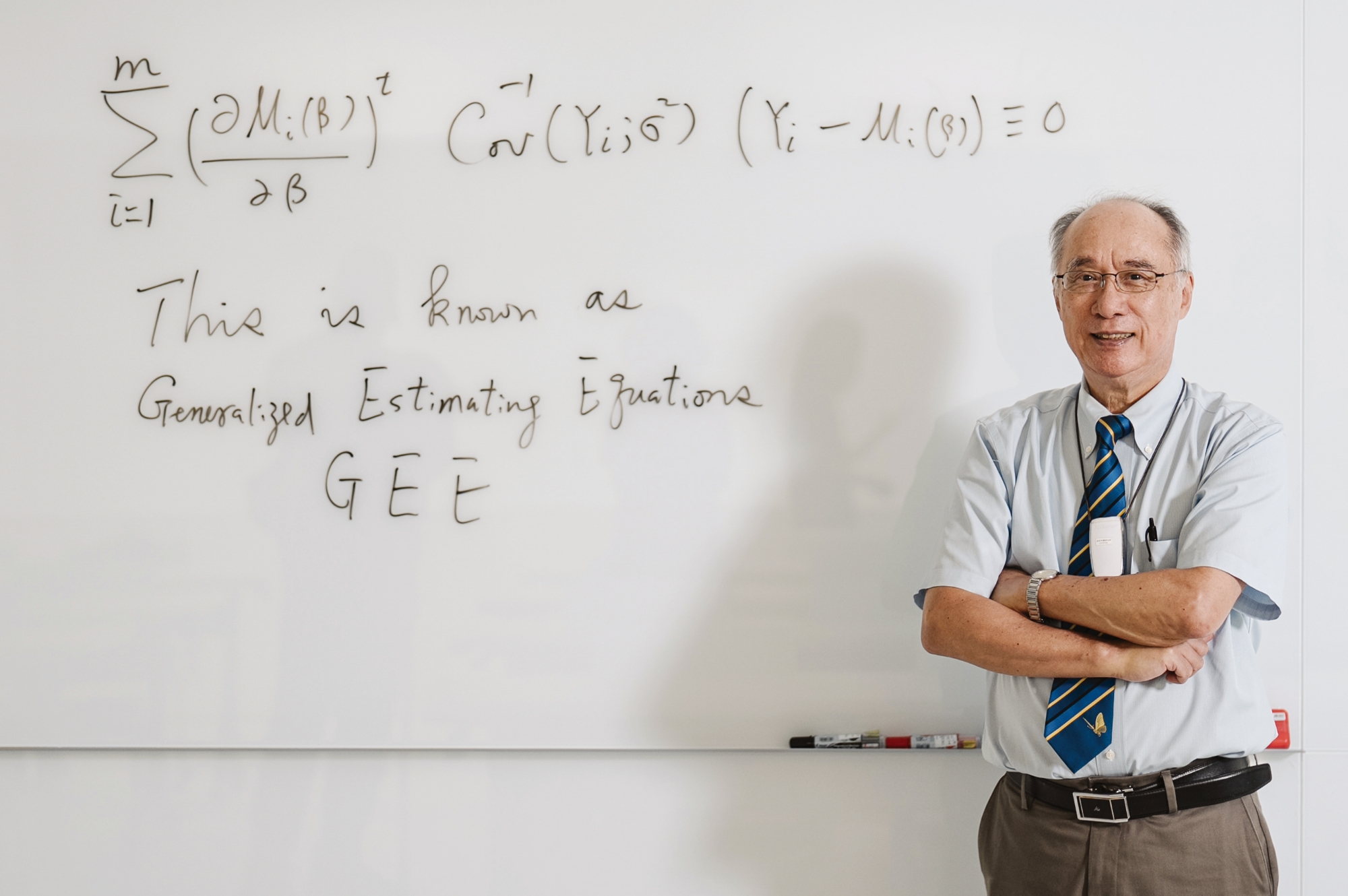
Trailblazer in Biostatistics – Creator of the Generalized Estimating Equations (GEE)
Accelerating New Drug Development to Benefit Billions Worldwide
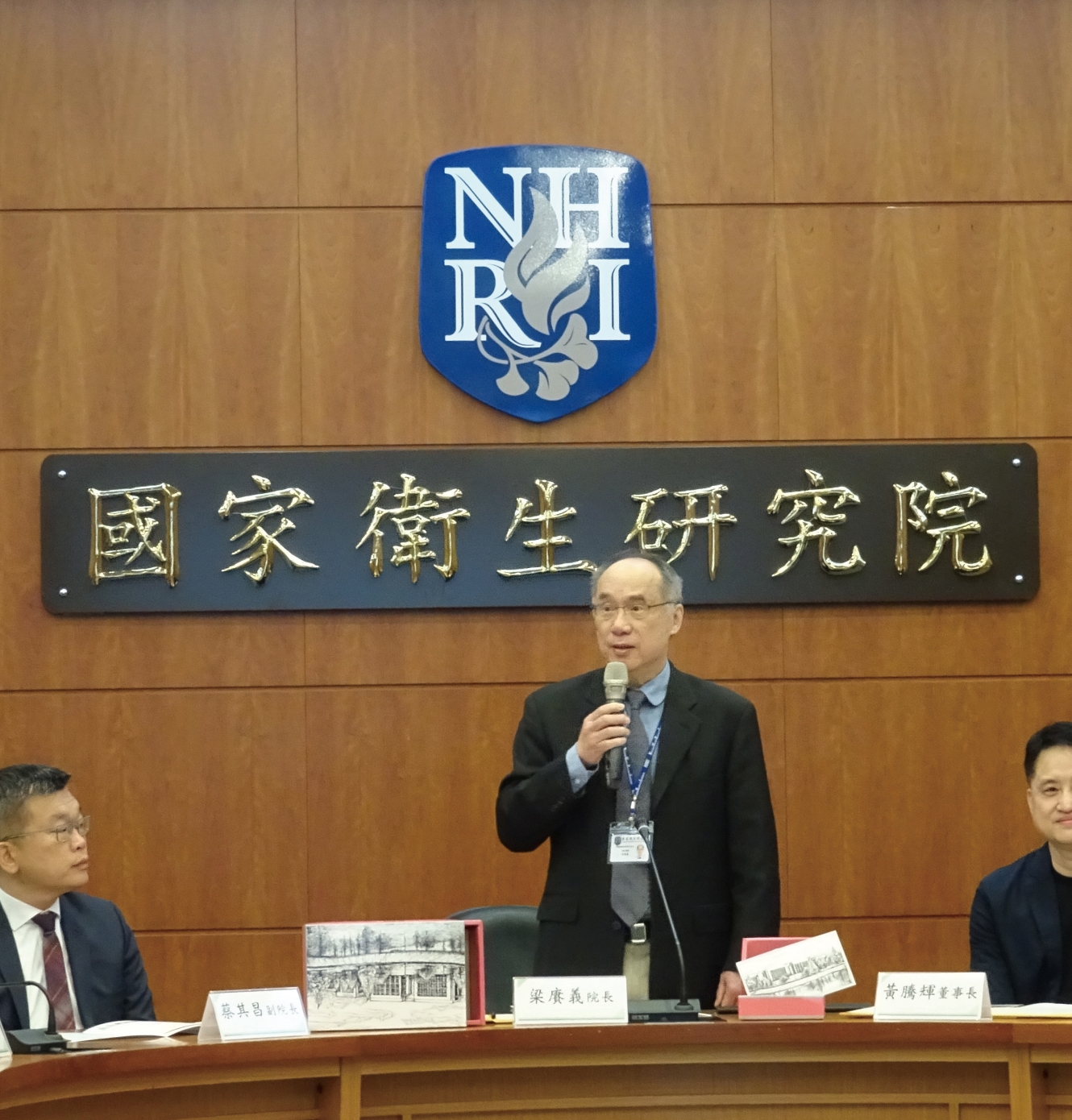
Dr. Kung-Yee Liang is widely recognized for his contribution to the development of the Generalized Estimating Equations (GEE), a statistical method that revolutionized the analysis of longitudinal data. He was the former President of National Yang-Ming University and now the Spring Rain Chair Professor at Feng Chia University. Though he originally trained in mathematics, Dr. Liang made a pioneering transition into biostatistics. By applying cross-disciplinary thinking, he derived the now world-renowned GEE. Within just 4 years of publishing this groundbreaking work, he was awarded the Mortimer Spiegelman Award, the highest honor in biostatistics, by the American Public Health Association.
GEE has since become a cornerstone of modern biomedical research. Whether in laboratory studies, cohort epidemiology, or clinical trials, any longitudinal study now routinely employs GEE. It has been incorporated into all major statistical software, including R, STATA, SAS, and SPSS, and has been cited more than 22,000 times in academic literature. This method fundamentally changed the way researchers analyze long-term observational data, enabling the evaluation of changes in the same individual over time. The result has been a dramatic increase in the efficiency and accuracy of clinical trials. Today, international pharmaceutical companies rely on GEE-based pre-post clinical trial designs to correctly assess the efficacy of new drugs, particularly in areas such as oncology, cardiovascular disease, and diabetes. Through this contribution, Dr. Liang’s work has directly improved the health and quality of life of tens of millions of patients worldwide.
At universities across the globe, GEE is now a core element of graduate-level biostatistics curricula. Dr. Liang, together with three leading scholars in the field, co-authored the authoritative volume Analysis of Longitudinal Data (Oxford University Press), a standard reference for scholars conducting longitudinal research. Building on his original innovation, Dr. Liang extended GEE methods in collaboration with European and American genetic and psychiatric epidemiologists, developing new approaches to explore disease clustering and identify genetic factors in conditions such as schizophrenia, obsessive-compulsive disorder, and asthma. These advancements deepened the scientific community’s understanding of disease mechanisms and accelerated the search for novel therapies. As Dr. Liang has often emphasized: “I hope that what I do—whether directly or indirectly—will contribute to society and to human health.” This guiding principle has driven his decades-long career in both research and public service.
Dr. Liang’s achievements in academia and public service span nearly four decades, leaving a profound impact from his pioneering contributions to statistical theory to his dedication to cultivating talent. Since publishing the Generalized Estimating Equations in 1986, his research has not only transformed methods of biostatistical analysis but also brought new perspectives to global public health and clinical trials. His approach has enabled researchers to efficiently analyze and clearly interpret long-term follow-up data that were once difficult to manage, helping them uncover patterns of disease progression and treatment effects from complex datasets.
Dr. Liang’s groundbreaking work has earned him wide international recognition in both statistics and public health. He has received prestigious honors including the Snedecor Award from the American Statistical Association, the Mortimer Spiegelman Award from the American Public Health Association, and the Karl Pearson Prize from the International Statistical Institute. He has also been elected to the U.S. National Academy of Medicine, Academia Sinica, and The World Academy of Sciences (TWAS), a testament to the breadth and depth of his scholarly contributions.
From innovative statistical theory to practical applications in new drug development, mental health, and chronic disease prevention, Dr. Liang has demonstrated profound expertise and an exceptional ability to bridge disciplines, establishing himself as one of the most influential biostatisticians of our time. His work is not confined to mathematical formulas in academic journals; it has directly improved the health and quality of life of countless patients worldwide, making him a model figure in harnessing data science to advance medicine.


|
|

|